Eid shopping turns costly as garment rates surge in Valley
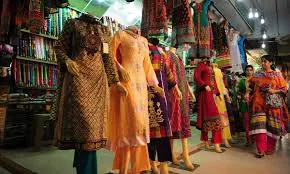
Srinagar, Mar 3: As Eid approaches and markets across Kashmir witness a surge in shoppers, residents have raised serious concerns over the steep rise in prices of ready-made garments, saying the unchecked rates are placing an additional burden on already strained household budgets. From Srinagar to Ganderbal and other markets in north and south Kashmir, shoppers can be seen thronging garment stores to purchase pants, shirts, kurta-pajamas and shalwar kameez for the festive occasion. However, many consumers allege that shopkeepers are charging unusually high prices, taking advantage of the seasonal rush. "Eid shopping used to be a joyful experience, but this time it has become stressful," said a customer shopping in Ganderbal. "A simple kurta-pajama that cost around Rs 1,200 last year is now being sold for Rs 2,000 or more. For middle-class families, this is not easy to manage." Several women shoppers expressed similar concerns, saying prices vary widely from shop to shop without any clear justification. "There is no fixed rate. One shop quotes one price and another quotes something entirely different for almost the same quality," said Shazia Begum, a resident of Srinagar. "We feel helpless because Eid is near and children insist on new clothes." Parents, especially those with larger families, said the price rise has forced them to rethink their spending. "I have four children. Buying clothes for all of them, along with elders in the family, is becoming very expensive," said Mohammad Younis. "We are cutting down on other household expenses just to fulfil the basic tradition of buying new clothes for Eid." Consumers also alleged a lack of market monitoring during the festive season. "Authorities keep checking essential commodities, but ready-made garments are also an important part of Eid preparations," said another shopper. "There should be inspections to ensure that customers are not being exploited." Meanwhile, traders defended the price hike, attributing it to increased wholesale costs and transportation charges. A garment dealer said that most ready-made garments are sourced from outside the Valley and that freight charges have gone up considerably. "Our purchase price has increased compared to last year. The cost of production, transport, and even shop rent has gone up. We are not hiking rates deliberately; we are adjusting according to market conditions," the trader said, adding that profit margins have not increased significantly. However, consumers remain unconvinced, arguing that the increase appears disproportionate. Some have urged the concerned departments to step in and regulate prices to ensure fair trade practices during the festive season. With Eid just days away, markets are expected to grow busier. While traders anticipate brisk sales, many families hope corrective measures will be taken so that the spirit of celebration is not overshadowed by soaring prices. For now, shoppers continue to bargain and compare rates, trying to strike a balance between tradition and affordability as they prepare to celebrate the festival with dignity and joy.